When I started learning about feminism, I thought it was only about injustices against women. After I got to know more about feminism, I realized it is an umbrella term for injustices not only against women but also addressing broader gender inequalities. There are so many different types of injustice; in fact, there are over 3.9 billion women worldwide. You can’t generalize their individual experiences, and you can’t generalize their injustice. All the philosophical theories—analytic feminism, continental feminism, Latin American feminism, pragmatist feminism, psychoanalytic feminism, and even gender perspectives in Confucian philosophy—are part of a continually expanding list. All these approaches only provide specific angles from which to look at the problem. There are also different historical "waves" identified in feminist movements: first wave (women’s suffrage and legal rights), second wave (equality and workplace rights), third wave (intersectionality and diversity), and fourth wave (digital activism and social media), as well as strands like sameness, dominance, difference, intersectional, and postmodern feminism. All the waves in the feminist movement only represent certain times and certain groups of people who acted and were visible in the public sphere. Feminist activity can happen in everyday life and for every individual; it is made up of countless actions and countless activities. It is a complex.
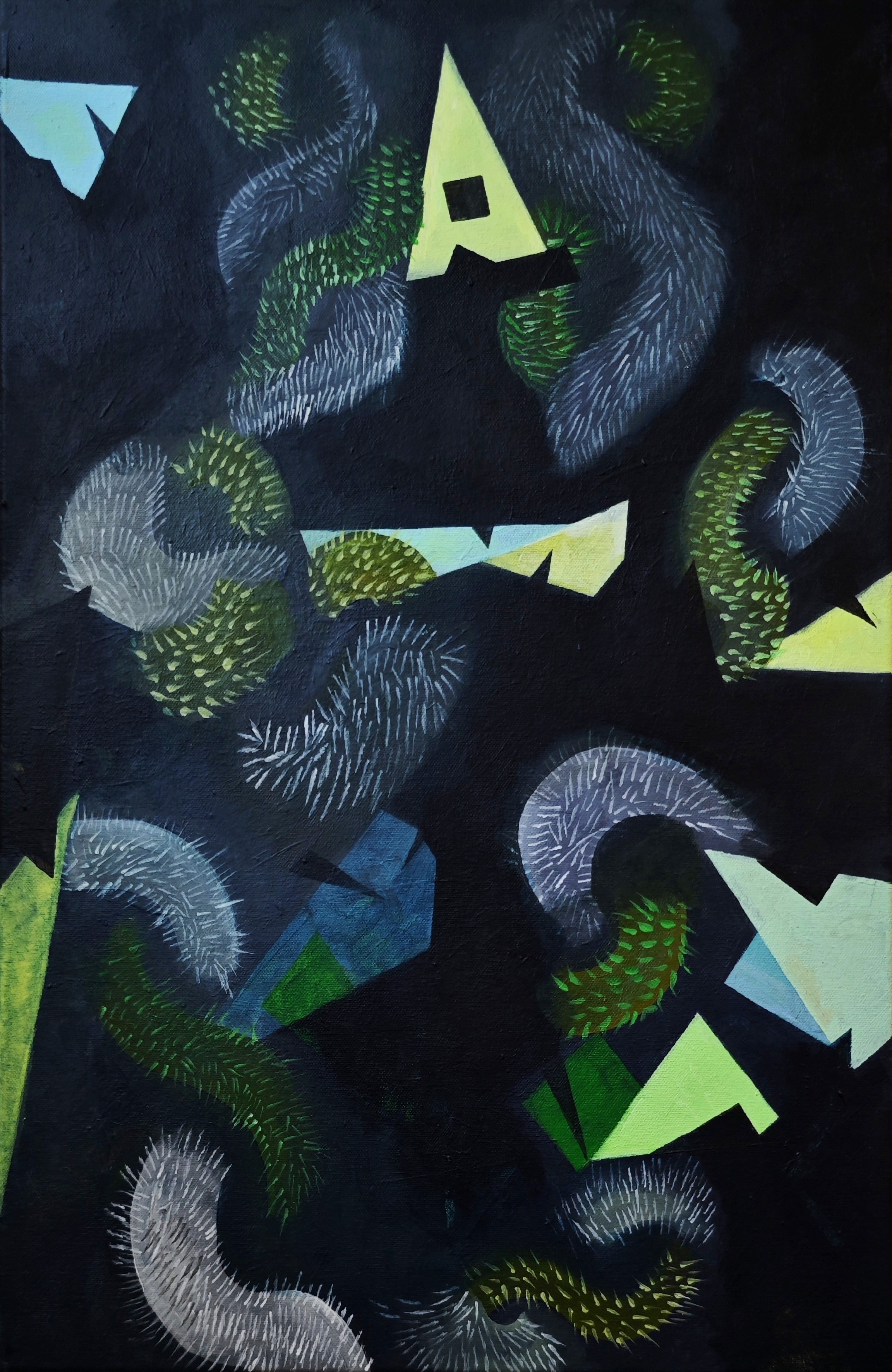
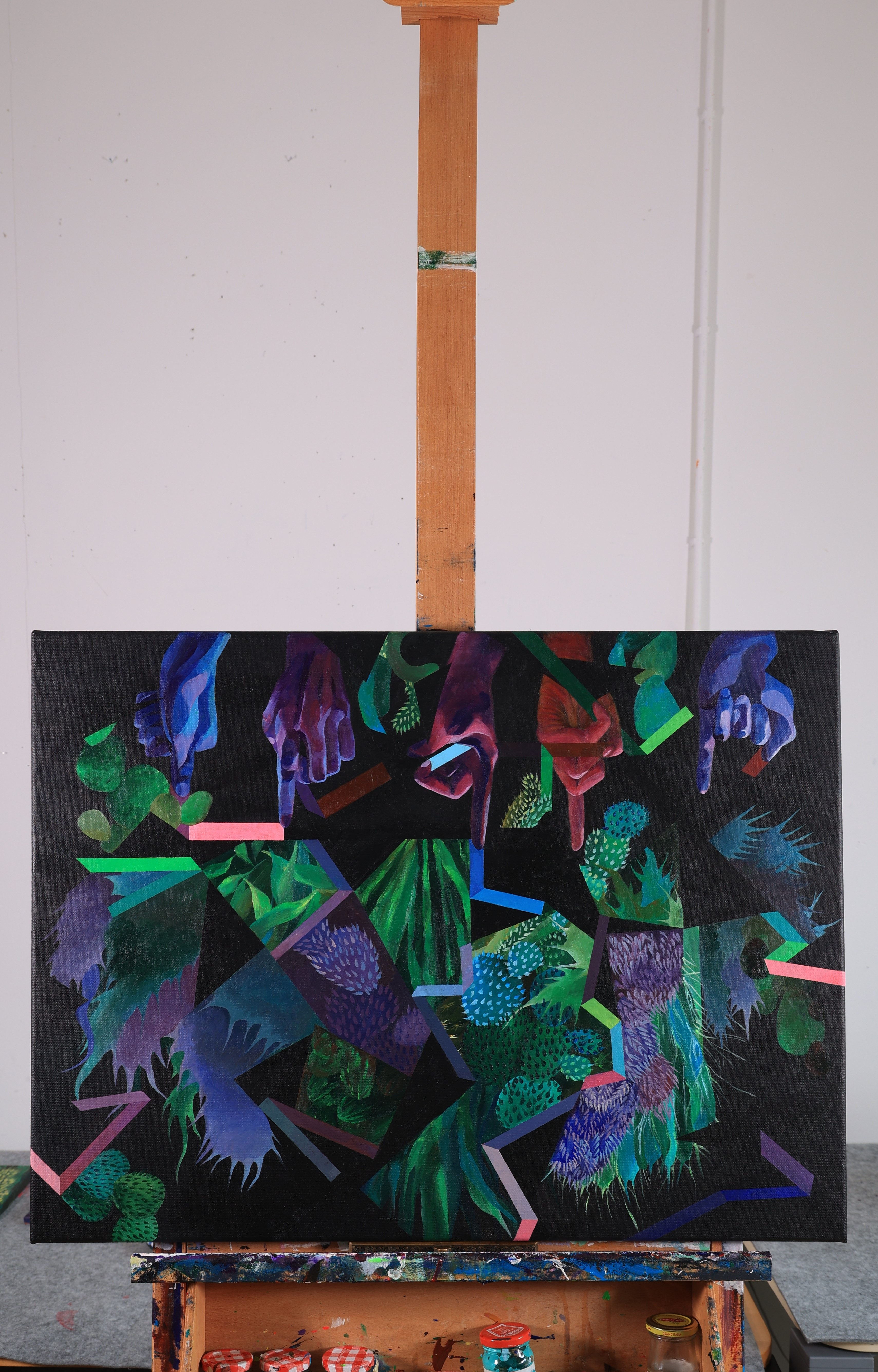
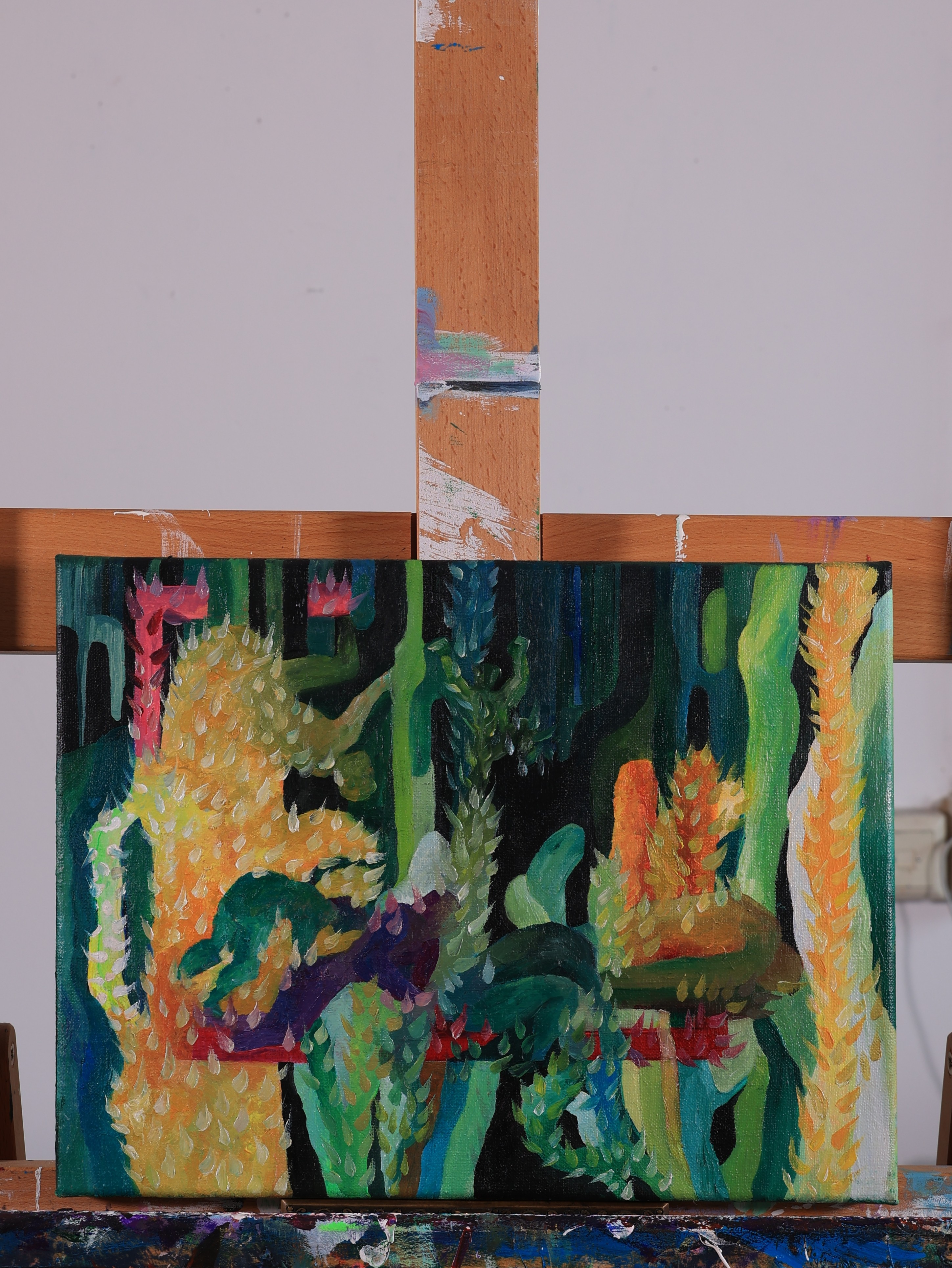
Complexity is something humans tend not to embrace by nature; we often search for simple solutions. For example: let’s increase women’s pay raises; let’s hire the same number of women in the industry; let’s have more female leaders. All of these are worthwhile solutions; all of them address specific problems at certain moments **for certain groups of women—or even men—**and yet they may also create new problems. Nevertheless, there is still a great deal of injustice, and pockets of inequality persist. It is frustrating because it seems there are endless problems and never enough solutions; it seems we cannot have simple solutions for complex problems. And, in fact, that is true. Feminism is a complex problem, a complex theory, and a complex reality. There is no simple way out; we need to see it, understand it, discover it, fight against it, and live with it. A cactus serves as my personal metaphor for complexity: sometimes I feel fear and avoid touching it, because I don’t know what will follow. At other times, I am more courageous and explore it. Occasionally, I even enjoy living with it for a while—until I find myself returning to a state of fear. Living with complexity is an attitude I choose to cultivate through philosophy, especially feminist philosophy.